
Original Coverage & Source Attribution: www.vietnam.vn
Digital education is gradually being introduced into schools in Hoa Vang.
Recognizing the need for educational innovation in the context of technological development, the People’s Committee of Hoa Vang commune, Da Nang city, organized a pilot training course on digital education, digital citizenship education, and artificial intelligence for over 200 teachers from primary and secondary schools in the area. This is a preparatory step to gradually introduce digital education into schools, helping teachers improve their knowledge, innovate teaching methods, and guide students in using technology proactively, safely, and appropriately for each age group.
During the training course, experts from the University of Education, Da Nang University, directly shared many topics on digital citizenship education and the application of AI in schools. The content emphasized developing skills in using technology, responsible thinking, and civilized behavior in cyberspace, while also helping teachers clearly identify the roles and responsibilities of users in the process of utilizing artificial intelligence.
Over 200 teachers participated in a pilot training program on digital education and artificial intelligence in Hoa Vang commune, Da Nang.
According to the curriculum guidelines, depending on the grade level, students will become familiar with digital technology devices and concepts, recognize the presence of AI in daily life, and learn the basic operating principles of this technology. In addition, students will be guided on how to use AI tools healthily, leveraging the technology to support learning and product creation. Balancing screen time with other activities is also a key focus.
Ms. Vo Thi Thuy Trang, a teacher at Ong Ich Duong Secondary School in Hoa Vang commune, Da Nang city, believes that piloting the digital citizenship education program is necessary in the current period. According to her, to build a safe digital environment, schools, teachers, students, and parents need close cooperation.
Based on the training results, Hoa Vang commune plans to pilot the program on a large scale in 3 secondary schools during the 2026-2027 school year.
Digital education helps students use AI safely and responsibly.
One of the program’s core objectives is to enhance students’ digital literacy, helping them not only to use technology but also to understand the benefits, risks, and responsibilities of participating in the online environment.
In the context of AI’s increasing presence in learning and daily life, guiding students to use technology appropriately is crucial. They need to know how to choose suitable tools, utilize technology to support their learning, and develop proactive thinking rather than relying on readily available conveniences. Importantly, digital citizenship education goes beyond simply mastering the skills of operating smart devices. The program also aims to cultivate behavioral norms, respect for others, and the ability to recognize and avoid dangerous situations in cyberspace.

Digital education is being piloted, aiming to equip students with technological skills from the secondary school level onwards.
Integrating digital education into schools not only helps students access new technologies but also contributes to building a foundation of knowledge and skills to enable them to participate in the digital environment safely and healthily.
Digital education lays the foundation for building digital citizens of the future.
Beyond aiming for educational innovation, the pilot program in Hoa Vang is also linked to the development of a digital government and digital society in the locality.
According to Mr. Pham Phu Nguyen, Chairman of the People’s Committee of Hoa Vang commune, Da Nang city, a successful digital government needs digital citizens. Therefore, improving digital capabilities needs to be done early, even while students are still in school.
This is considered a crucial foundation for shaping citizens who can access, use, and master technology, contributing to the development of a digital society and ensuring the smooth and efficient operation of local administrative systems.
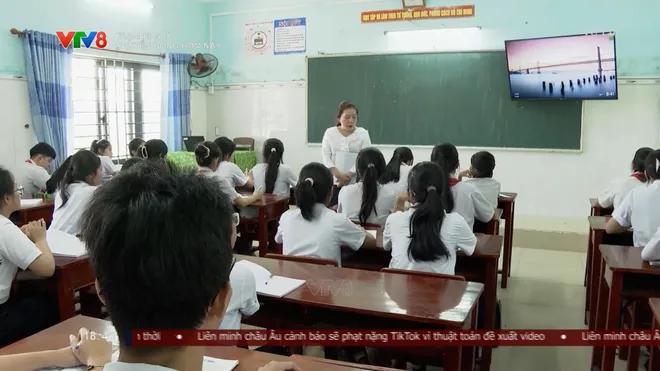
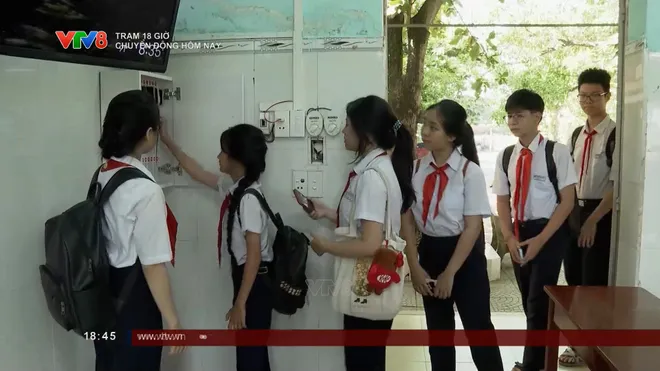
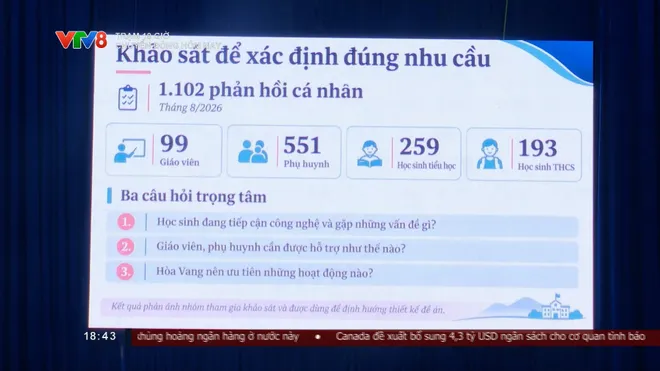
Digital education contributes to the development of civilized behavior and responsibility in students in cyberspace.
Previously, Hoa Vang was the first rural locality in Da Nang city to issue temporary regulations on the management and use of mobile phones and social media for students under 16 years old.
Therefore, through the digital citizenship education program, students will have more opportunities to better understand the purpose and significance of regulations governing the use of mobile phones and social media. At the same time, they will be equipped with the necessary knowledge and skills to identify and respond to dangerous situations in cyberspace.
Therefore, implementing digital education from the secondary school level not only meets the requirements of educational reform in the context of technological development but also contributes to shaping a generation of citizens with knowledge, skills, and responsibility in the digital environment. This is an important preparatory step for Hoa Vang to move towards building an effective digital society and digital government in the future.
Dear viewers, you can watch VTV8’s live broadcast online at: https://vtvgo.vn/channel/vtv8-1,36.html