Original Coverage & Source Attribution: www.tatlerasia.com
On her birthday, revisit Sylvia Plath’s fig tree theory to separate Esther Greenwood’s real warning from the social media mood board
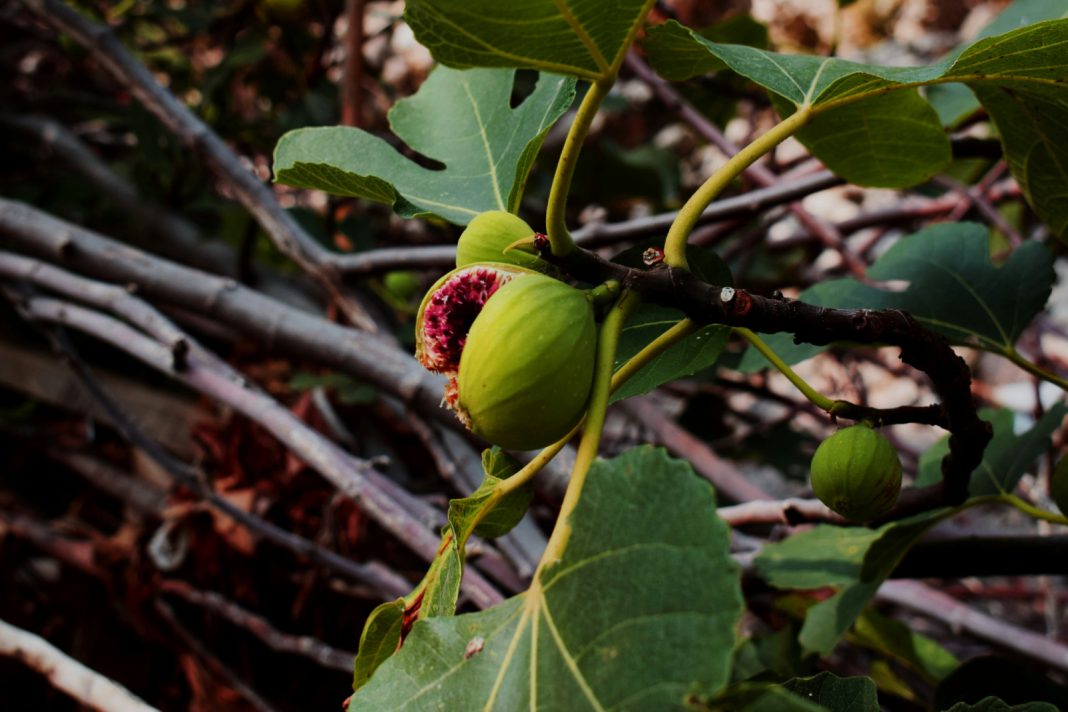
Few passages in literature have gone as viral as the Sylvia Plath fig tree. In The Bell Jar (1963), Esther Greenwood, a gifted young woman spending a summer in New York as a magazine guest editor, imagines her future as a tree heavy with figs and starves because she cannot choose one. Online, the #figtree hashtag has gathered millions of views over the years, with users labelling each fig with a career, a city or a lifestyle. As Plath’s birthday on October 27 returns, it is worth asking what the Sylvia Plath fig tree trend gets right and what it edits out. Here is how a 1963 novel became a mood board, and what Plath actually warned us about.
In case you missed it: 6 Oscar Wilde quotes that explain modern life, from burnout to hustle culture
The #figtree hashtag has gathered millions of views on social media, alongside tags such as #thebelljar and #figtreetheory. It began with an audio clip pairing a reading of chapter seven of The Bell Jar with atmospheric visuals. In that chapter, Esther visits the United Nations with Constantin, a simultaneous interpreter, when she sees her life branching out like a fig tree, each fig a future she wants but can’t choose.
The clip then evolved into a labelling meme. Viewers post a fig branch and tag each fruit with a competing ambition, from corporate careers and creative pursuits to relocations and family, before zooming in on the figure stuck at its base. The format works because it turns a private anxiety into something instantly shareable and recognisable.