
Original Coverage & Source Attribution: www.cbr.com
Even for the biggest cinephiles, sitting through a three-hour film with poor pacing can feel like a Herculean task. Whether it’s James Cameron, Christopher Nolan, or Nathan Fielder, some filmmakers can’t resist cutting down their creations, even to their own detriment.
Even the greatest films could benefit from trimming down their runtimes. The movies may be amazing, but if they are too long, people will struggle to sit through them. These 10 films are just way too long for their own good, losing audiences because of their lengthy runtimes.
Avatar: The Way of Water Is an Excessive Display of CGI Advancements
The sequel to James Cameron’s beloved 2009 Avatar film, Avatar: The Way of Water, is generally a worthy successor to the original Avatar’s success, showing how Jake Sully (Sam Worthington) and Neytiri (Zoe Saldaña) grapple with raising a family and changing dynamics between groups of Na’vi. With a runtime of 192 minutes, the second installment in the Avatar franchise can feel tedious to watch, as some scenes are a superfluous display of the technological advancements that Cameron made for the film, rather than necessary for plot advancement.
Because the process to film underwater motion capture scenes was made specifically to film The Way of Water, it’s clear that James Cameron wants this feat recognized, as these long scenes of Kiri (Sigourney Weaver) and Lo’ak (Britain Dalton) gallivanting through the waters feel like they drag on forever. While a feat of filmmaking, these lengthy scenes take away from continuing the emotionally resonant story of Jake Sully among the Na’vi.
Oppenheimer is a Nolan Masterpiece That Could Lose its Last Thirty Minutes
© Universal Pictures / Courtesy Everett Collection
Oppenheimer is known for its Best Picture win at the 96th Academy Awards, and the box-office smash it became when linked to Greta Gerwig’s Barbie, as the two movies became the double-feature “Barbenheimer” when released on the same day in 2023. Christopher Nolan’s directorial prowess is on full display in this beautifully shot, well-cast biographical story. But Nolan really doesn’t need a full three hours to show the complexities of J. Robert Oppenheimer’s (Cillian Murphy) life, and the film’s three-hour runtime kept audiences from paying attention to Hoyte van Hoytema’s wondrous cinematography as the film dragged on.
With such a cerebral subject matter as the development of the atomic bomb and the Second Red Scare’s impact on its creator, it’s hard to keep the audience engaged for Oppenheimer’s full 180 minutes. The last 30 minutes feel like they drag on just to make sure the audience knows that Oppenheimer felt guilty about being so involved in the making of the atomic bomb, rather than having one poignant scene that shows the extent of his guilt. Further, some of the scenes with Lewis Strauss (Robert Downey Jr.) and his Senate Confirmation hearings feel as if they take away from telling Oppenheimer’s story, serving as a way to get Downey Jr. an Oscar instead of creating a perfect film.
The Avatar Franchise Reaches a Stale Point in Avatar: Fire and Ash

The third installment of James Cameron’s Avatar franchise clocks in at 197 minutes, making it the longest of Cameron’s science fiction epics. Avatar: Fire and Ash also has a 66% on Rotten Tomatoes, making it the least-loved film of the five-movie franchise thus far. While Avatar: The Way of Water’s unnecessary moments felt like displays of technological advancements in motion capture, Avatar: Fire and Ash doesn’t introduce anything new to the familiar franchise and leaves more questions than answers for what’s next in the Avatar world.
Fire and Ash picks up where The Way of Water left off with Jake (Sam Worthington) and Neytiri’s (Zoe Saldaña) family as they live among the Metkayina clan. Much of the plot centers around Spider (Jack Champion), rather than the life of the Na’vi, making Fire and Ash feel like even more of a departure from the intentions of the first two movies.
Despite Stellar Leading Performances, The Brutalist Bores
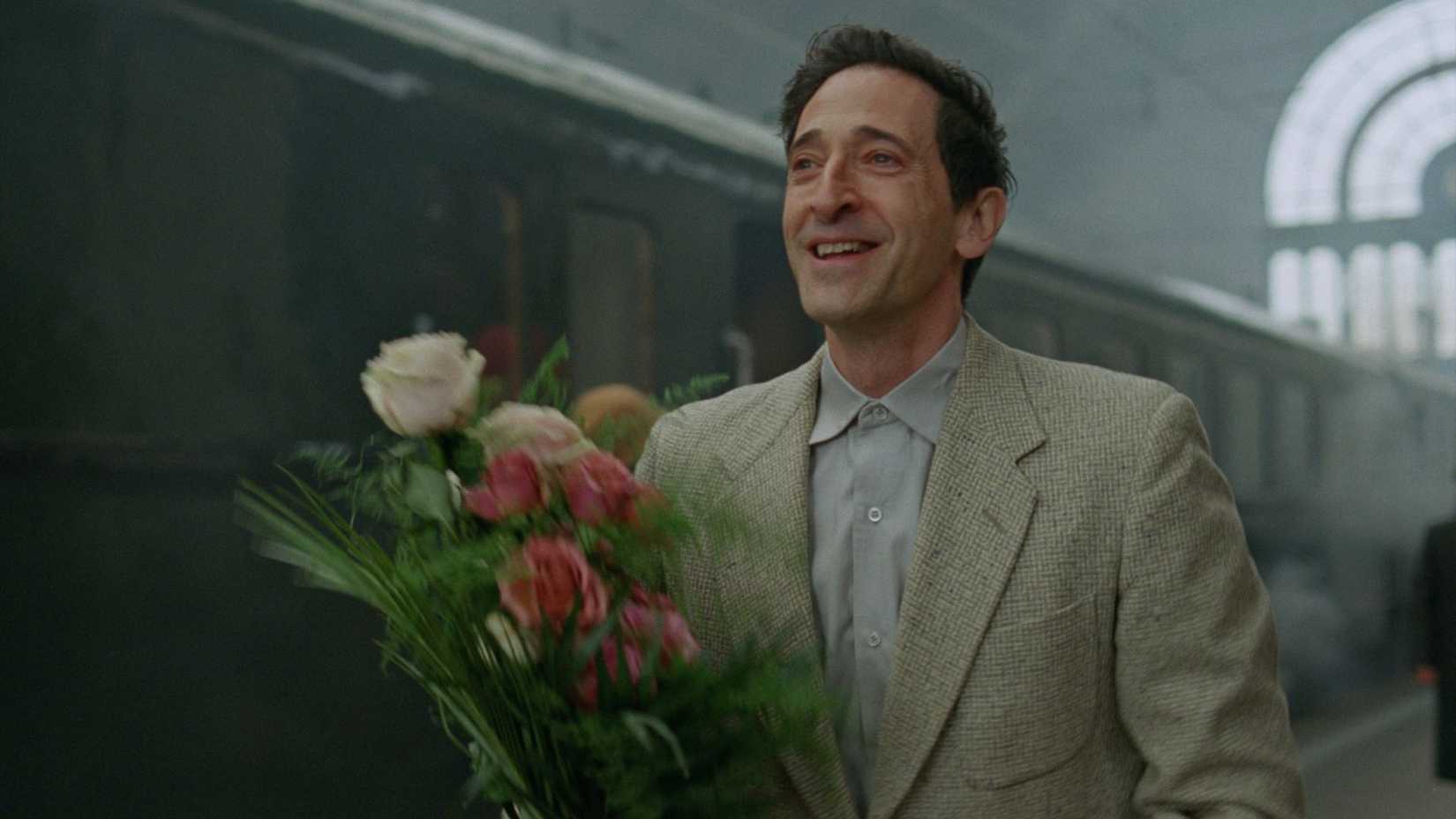
Lol Crawley / © A24 / Courtesy Everett Collection
With a runtime of 215 minutes, Brady Corbet’s The Brutalist is asking a lot of its audience. The Brutalist centers around László Tóth (Adrian Brody), an architect and Hungarian-Jewish Holocaust survivor who comes to America without his family, including his wife, Erzsébet (Felicity Jones). As a portrait of an artist’s suffering and the immigrant experience, The Brutalist is no doubt an emotionally resonant film, and a story that should be told.
But most people balk at the thought of watching such a long movie, so they avoid the film altogether. Even though Corbet’s direction and script are stunning, The Brutalist feels like a film made only for the most dedicated cinephiles, rather than a story everyone should be exposed to. To avoid these pitfalls of slow pacing, The Brutalist‘s dialogue could have been more quickly paced and the scenic shots less indulgent. No matter how beloved Adrian Brody is with audiences, or how poignant the subject matter, a movie that verges on almost four hours and is required viewing for Academy voters is especially egregious.
Surprise Box Office Smash Documentary You Can See Everything Could Still Cut Down

A24 /Courtesy Everett Collection
With a 96% on Rotten Tomatoes, Nathan Fielder’s 174-minute documentary produced by A24 has become one of the biggest surprise box office hits of 2026, raking in almost $65 million in the US since opening on October 16th. You Can See Everything tells the story of Elizabeth Holmes, of Theranos’ infamy, and her husband Billy Evans, as Nathan Fielder documents the pair’s final weeks in California before Holmes goes to serve her prison sentence for fraud.
After Elizabeth Holmes begins her time in prison about halfway through the movie, audiences are left wondering what might come next in the movie’s latter half, and if they can stick around, they’ll be pleasantly surprised to see Fielder still interrogating the half-truths that Holmes and Evans have left in their wake. But even though the film’s second act is ultimately necessary, bringing in Amanda Seyfried to serve as a set of fresh eyes and re-enact scenes for which Holmes couldn’t appear on camera, it still feels tedious because of the documentary style. In some ways, the film could garner much more attention with a shorter runtime by cutting some of the superfluous scenes in the film’s first act. But make no mistake, You Can See Everything is still one of 2026’s best films, examining just how
Gone with the Wind Is Inaccessible to Modern Audiences
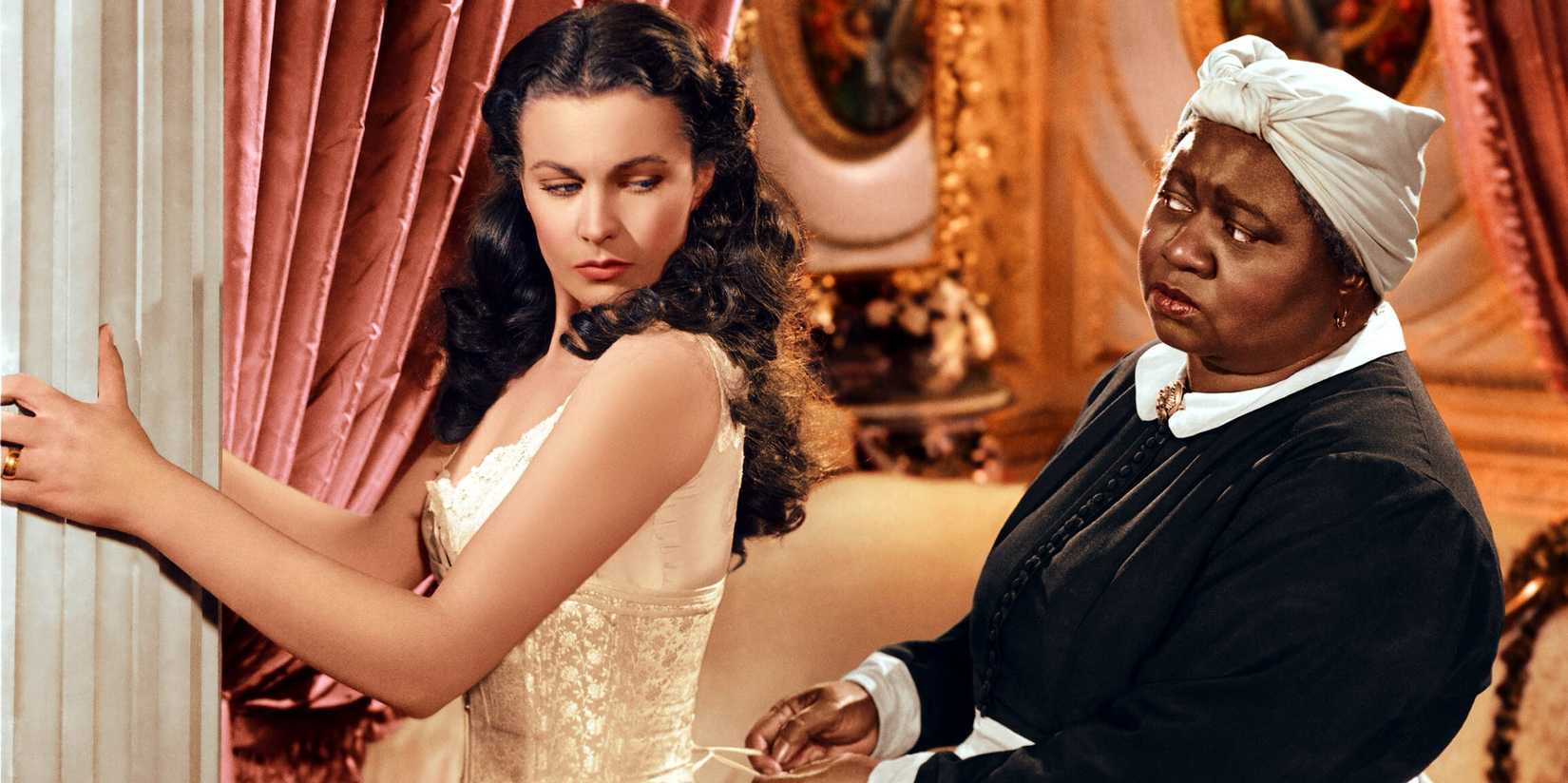
Clocking in at almost four hours long, Victor Fleming’s 1939 romance film Gone With the Wind feels largely distant from the tastes of moviegoers today. While it seems like audiences generally enjoy the film, as Gone With the Wind’s Rotten Tomatoes score sits at 90%, it’s hard to get people to give the film a watch if they didn’t grow up with the film, especially since the film’s racialized elements feel sorely out of date.
Following the story of plantation owner’s daughter Scarlett O’Hara (Vivien Leigh) as she seeks out romantic interests Ashley Wilkes (Leslie Howard) and Rhett Butler (Clark Gable). Many modern audiences feel the film romanticizes the antebellum South, depicting slaves as happily working for white plantation owners, as they take a passive role in O’Hara’s story. But for modern moviegoers looking to reflect on the way the country’s entertainment vehicles can revise the dark parts of its own history, Gone With the Wind can feel like a chore to watch, especially since its pacing feels languid for modern viewers. It’s a wonder that the movie is still being watched today, with cinema screenings taking place across the country in October.
Avengers: Endgame Is The Epic Conclusion That Takes Too Long To Get There
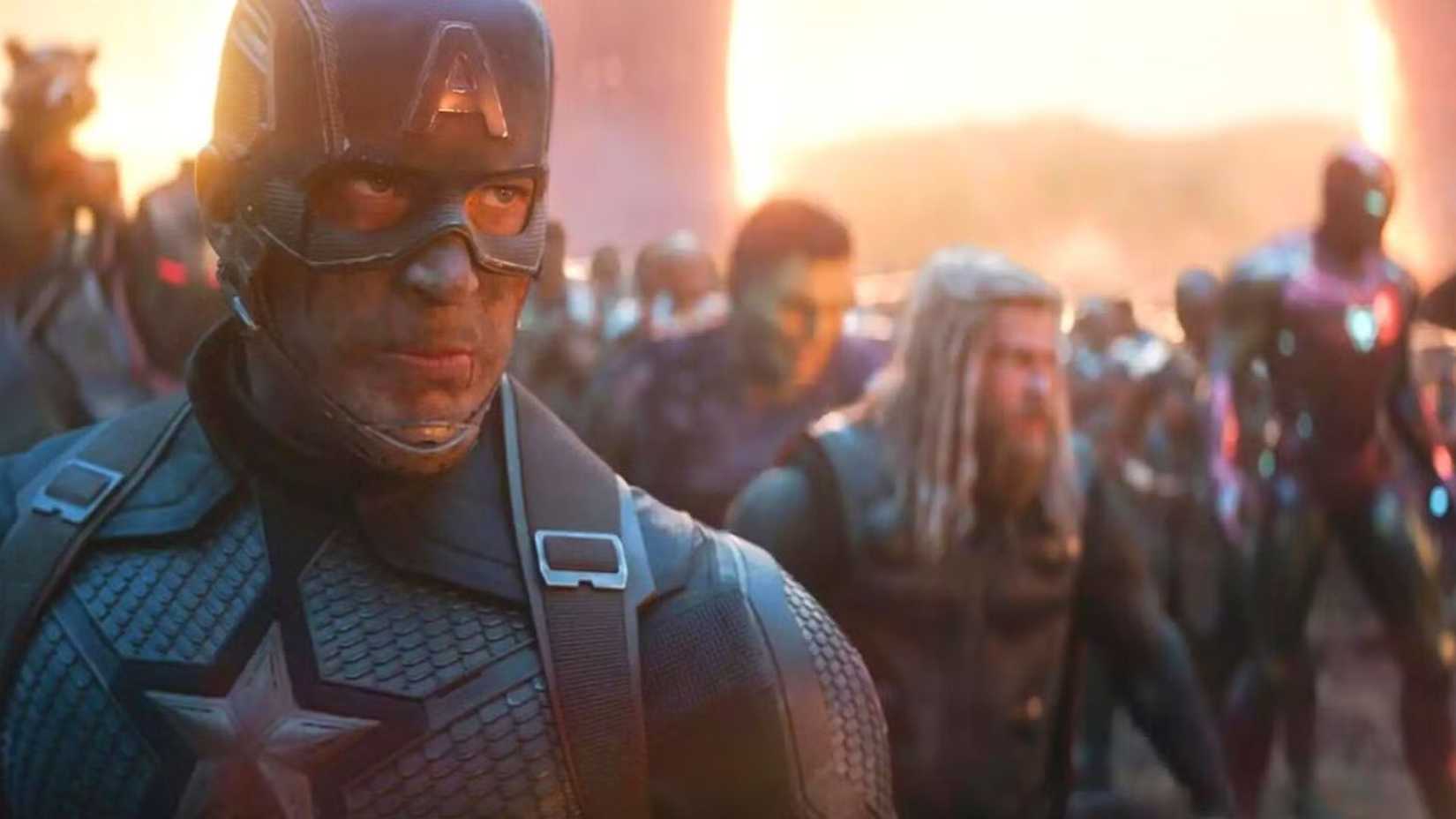
The penultimate film of the Marvel Cinematic Universe’s Infinity Saga, Joe and Anthony Russo’s Avengers: Endgame is the highest-grossing film of all time, with a total gross of $2.94 billion after Avengers: Endgame’s theater re-release earlier this year. After Thanos kills half of the world’s population in an event known as “The Blip,” the remaining members of the Avengers, including Captain America (Chris Evans), Iron Man (Robert Downey Jr.), The Hulk (Mark Ruffalo), Thor (Chris Hemsworth), and Black Widow (Scarlett Johansson), must band together to defeat Thanos and bring the missing members of humanity back.
But just because audiences flocked to the theater to watch Avengers: Endgame doesn’t mean the film is without flaws, as the Juggernaut superhero epic sits at a full 181 minutes. As a result, casual Marvel fans may feel bogged down by Avengers: Endgame’s slow start and lose stamina towards the film’s climactic end.
Blue Is the Warmest Color Feels Drab

This 2013 release from director Abdellatif Kechiche is a Palme D’Or winner at the 66th Cannes Film Festival and runs for 180 minutes. Blue is the Warmest Color follows Adèle (Adèle Exarchopoulos), a 15-year-old French high school student, as she goes through a period of personal and sexual exploration after beginning an intense romantic relationship with the blue-haired Emma (Léa Seydoux).
While this tragic love story can tug at the heartstrings and provide key lesbian visibility in the early 2010s on the silver screen, Kechiche’s execution of this story falls short, largely because of its poor pacing that drags on for far too long. Particularly because much of the film’s unnecessary minutes come from lengthy and gratuitous graphic scenes between the film’s two leads who are supposed to be in high school, Blue is the Warmest Color would certainly benefit from a heavier editing hand.
Casual Fantasy Fans May Balk at The Lord of the Rings: The Return of the King
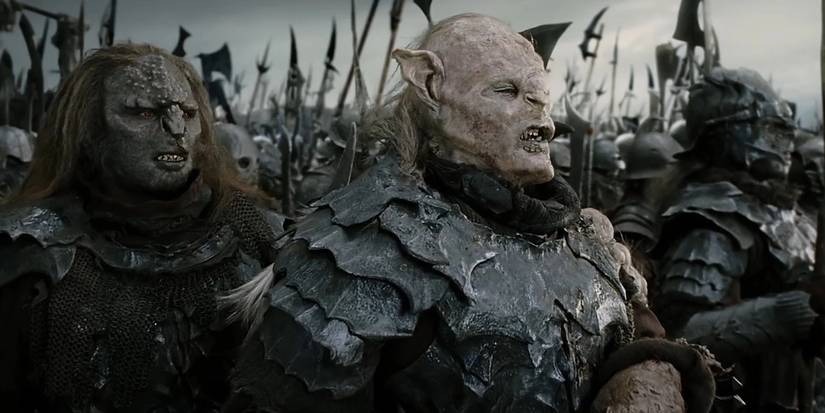
The conclusion of Peter Jackson’s adaptation of J.R.R. Tolkien’s Lord of the Rings trilogy, The Lord of the Rings: The Return of the King is an epic fantasy tale with a 201-minute runtime, well over three hours. With a 94% on Rotten Tomatoes, it seems most viewers don’t mind the film’s gargantuan length, with some even choosing to watch an extended edition that adds an extra 50 minutes of footage.
While Tolkien diehards certainly appreciate spending as much time with these characters as possible, this can be exhausting for casual fantasy fans looking to get into the genre, as the trilogy as a whole requires a ten-hour-long commitment at minimum. But The Return of the King is still seen by many as a visually stunning, emotionally resonant conclusion to the Lord of the Rings franchise, even if it feels inaccessible for casual fantasy fans.
Hedonism Knows No Bounds in The Wolf of Wall Street

Image via Paramount Pictures
Martin Scorsese’s The Wolf of Wall Street sees Jordan Belfort (Leonardo DiCaprio) rise to power as a corrupt Wall Street stockbroker for Stratton Oakmont in 2007. With a 79% on Rotten Tomatoes, this 179-minute biographical story could use a finer tooth comb. Even though the film’s humor and snappy directorial choices from Scorsese make the three hours fly by quicker than for some other films, it still feels like The Wolf of Wall Street is an excessive display of the unchecked corruption of Wall Street that continues to this day.
In The Wolf of Wall Street, more time is spent glorifying Jordan Belfort’s actions, with several scenes excessively showing the power that he gained as a Wall Street stockbroker to make him look cool to the teenage boys watching, rather than trying to shed a light on how his hubris ultimately became his downfall. Further, Donnie (Jonah Hill) seems like he has way too much screen time for a side character in Belfort’s story.