Original Coverage & Source Attribution: faroutmagazine.co.uk
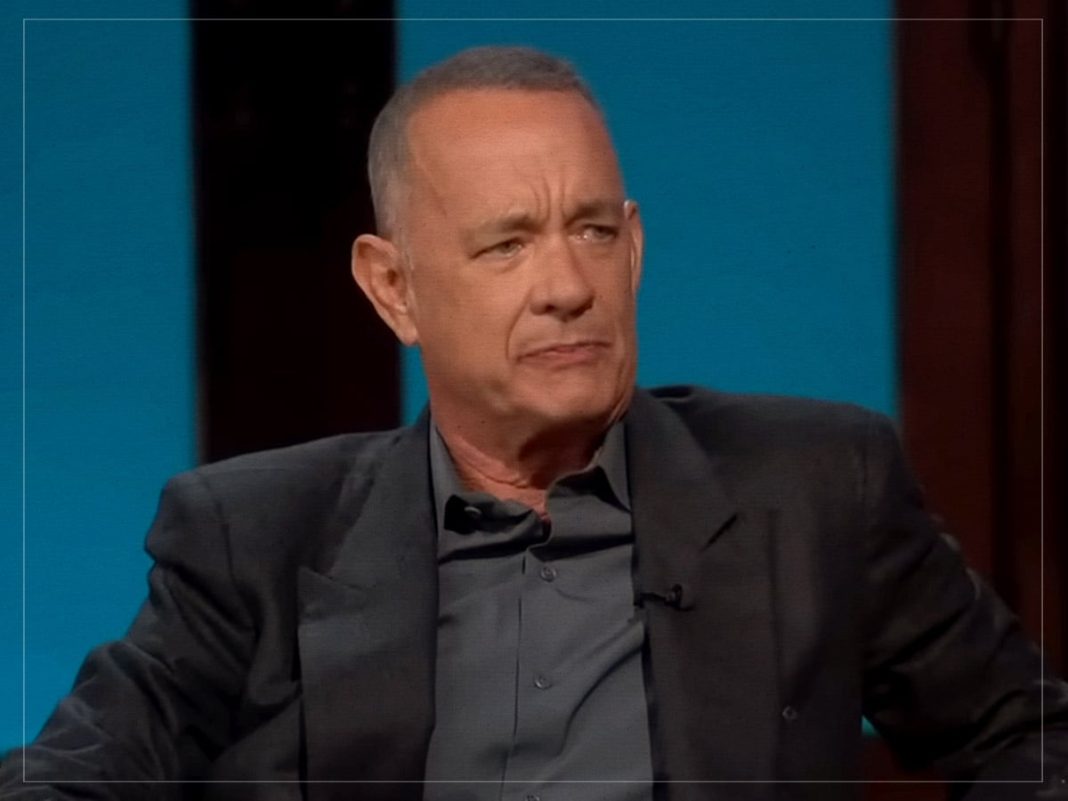
The image of Tom Hanks as “America’s dad” is firmly ingrained in cinema fans’ collective consciousness.
Buoyed by his affable nature, Hanks’s comforting smile has landed him countless roles, from his star turn as the voice for Woody in Toy Story to his more recent role as Mr Rogers. There’s a charming warmth to Hanks that is unbeatable, even considering his wide range of more dramatic roles.
Rarely playing the villain, Hanks’ unique ability to assimilate into our minds as whatever character he is playing with a jovial bounce and a playful aura, makes him the perfect fodder for roles that pitch him as the lovable but unlikely hero.
It is the kind of position that would have been completely and utterly confirmed if he had got perhaps the greatest rom-com role of all time as Harry in the ultimate rom-com movie, When Harry Met Sally, a picture many consider the pinnacle of the genre. And he didn’t reject it because of money or the role not fitting his vision, but because of his divorce.
Tom Hanks turned down the leading role in When Harry Met Sally because he was so “happy” about his divorce, according to his wife Rita Wilson.
Hanks married Samantha Lewes in 1978, but the pair divorced nine years later. Prior to their split, he’d met Wilson on the set of Volunteers, and they married in 1988, a year before When Harry Met Sally arrived in cinemas. According to Wilson, Hanks was too busy enjoying life after his divorce to set foot on a film set when he was offered the role.
She explained on the podcast Table for Two With Bruce Bozzi, “[Hanks] turned it down because he was going through a divorce, and he was very happy to be not married. And so he could not understand that a person going through a divorce would have anything other than just like, ‘I’m so happy.’”
Further reading: Cutting Room Floor
Heavily influenced by director Rob Reiner’s own experience with divorce, When Harry Met Sally deals with a completely different mindset attached to the event – the inevitable loneliness and the spiralling that takes place when you start examining your failed relationships and everything that could have been. For Hanks, who might have been great in the role (who knows), that was incomprehensible, and he wasn’t interested in getting into that emotional space either. He wasn’t the only one.
In addition to Hanks rejecting the role, Richard Dreyfuss, Michael Keaton, and Albert Brooks also all turned it down before Billy Crystal was cast opposite Meg Ryan. Crystal, however, was willing to do what it took to ‘become’ Harry Burns, isolating himself from the cast and crew during the shooting and staying in a room of his own.
As far as Hanks is concerned, these missed opportunities aren’t the only regrets he has. He has also revealed there are some films he’s made that he looks back on regretfully: “Let’s admit this: We all have seen movies that we hate. I have been in some movies that I hate. Someone is going to say, ‘I hated it.’ Other people can say, ‘I think it’s brilliant.’ Somewhere in between the two is what the movie actually is.”
Hanks also likened the process of creating a movie to five points in a Rubicon, concluding, “The first Rubicon you cross is saying yes to the film… You are going to be in that movie. The second Rubicon is when you actually see the movie that you made.”
He never crossed that first Rubicon in the case of When Harry Met Sally, leading to the creation of one of the greatest ‘What ifs’ in Hollywood history, but for what it’s worth, Billy Crystal did such a fantastic job seamlessly fitting into Reiner and Nora Ephron’s vision that it’s almost blasphemous to imagine Hanks anywhere in it now.
ADD AS A PREFERRED SOURCE ON GOOGLE